A planner does not need to be pretty to be useful. The best ones are plain, fit on a single page and live in a place you walk past every day. This guide shows how to design a weekly wellness page from scratch, using a pen and a sheet of paper or a simple spreadsheet. We will cover the layout, the questions to ask yourself, a sample week and a few ways to keep the page from becoming one more neglected piece of paper.
Start with the grid
Draw seven columns for the days and four or five rows for the areas of life you care about. Typical rows include movement, meals, water, rest and a catch-all for the daily capsule or other fixed habits. Leave one blank row at the bottom for anything special, like a dentist visit or a family dinner.
Keep the boxes big enough to write in. If you are unable to read the page from a few feet away, move it up a size. A page you can read at a glance gets used; a page you must squint at gets ignored.
Color helps, too. Use one pen color for movement, another for meals and a third for rest. At a glance you can see whether the week is balanced, and filling the page becomes a small creative pleasure.
- Seven columns for the days
- Rows for movement, meals, water and rest
- One row for fixed daily habits
- One blank row for special events
Ask what matters this week
Before filling in the grid, pause with a cup of tea and ask three questions. What do I want to do more of? What is already going well? What is coming up that will change my schedule? The answers shape the page. A week with a wedding calls for a different plan than a quiet one.
Choose just one or two goals. Perhaps three walks and a new vegetable at dinner. Fewer goals mean more follow-through, and you can always add another next week.
Fill in the fixed points first
Start with things that happen no matter what: appointments, meetings, classes, meals with friends. Then add the habits you want to hang from those anchors. If Tuesday has a morning class, perhaps your walk happens after. If Thursday is market day, plan your produce ideas for that evening.
For market inspiration, see our post on farmers market and fresh plate ideas, which pairs well with a planner that has a dedicated meal row.
Add the daily capsule row
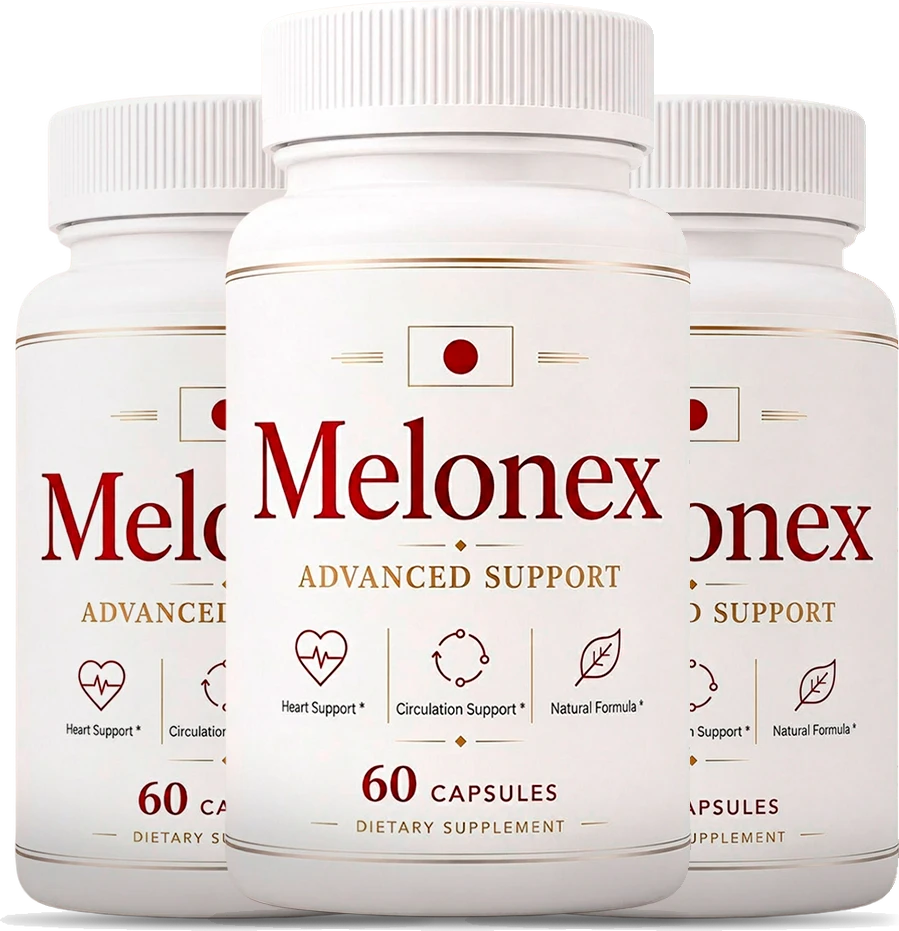
If you use Melonex, give it a line of its own in the daily habits row, and tick it off once it is done. Follow the directions printed on the bottle label, with a glass of water. Because the row is visible and takes a second to mark, it reduces the chance of wondering whether you already took it.
Our post on staying consistent with a daily capsule has more suggestions for tracking, and you can see the full label details on the label page.
If you would like to begin, you can order Melonex today and then add the line to your planner as soon as the bottle arrives.
Do not worry if the page looks messy by Wednesday. Crossed-out plans and scribbles are signs of a real week being lived. Keep the pen on a string beside the page, and adjust freely. What matters is that the page reflects your actual days, so that next Sunday you can learn from it instead of starting from scratch.
A sample week in brief
Monday: morning walk, water bottle filled, quick pantry check. Tuesday: class in the morning, easy dinner from prepped grains. Wednesday: garden time, early bedtime. Thursday: market visit and a colorful plate. Friday: call a friend, stretch after lunch. Saturday: longer outing and a relaxed meal. Sunday: weekly review and next week's page.
Notice that nothing here is intense. The plan is a scaffolding for ordinary good habits. The Dietary Guidelines for Americans and the CDC physical activity basics are both useful references if you want general background while drafting your page.
Review and refresh
Take five minutes every Sunday to look back. Which boxes got ticked? Which stayed empty? Be curious rather than critical. An empty box is information: maybe the habit was scheduled at a poor time or the goal was too big.
Then make a fresh page. Rotating a few details, such as a new walking route or a different breakfast idea, keeps the routine from going stale. A planner is a conversation with yourself that gets better with practice.
Share the page with someone. A spouse, a neighbor or a friend who keeps their own planner can swap ideas on Sunday afternoons, which turns a solo task into a comfortable social habit.